

.svg)

.svg)
What Causes Jaw Pain and Headaches?
What starts as a sore jaw can quickly turn into a pounding headache, making it difficult to focus and get through the day. If you have been asking what causes jaw pain and headaches, the answer is not always as simple as stress or teeth grinding. These symptoms often overlap, and the real cause may involve the jaw joint, surrounding muscles, the sinuses, airway issues, or a combination of several problems at once.
That overlap is exactly why many people spend months treating the wrong thing. They may try over-the-counter pain relief, switch pillows, visit the dentist, or assume they are dealing with migraines alone. Sometimes those steps help temporarily. But when the pain keeps coming back, it usually means the root cause has not been clearly identified.
What Causes Jaw Pain and Headaches Together?
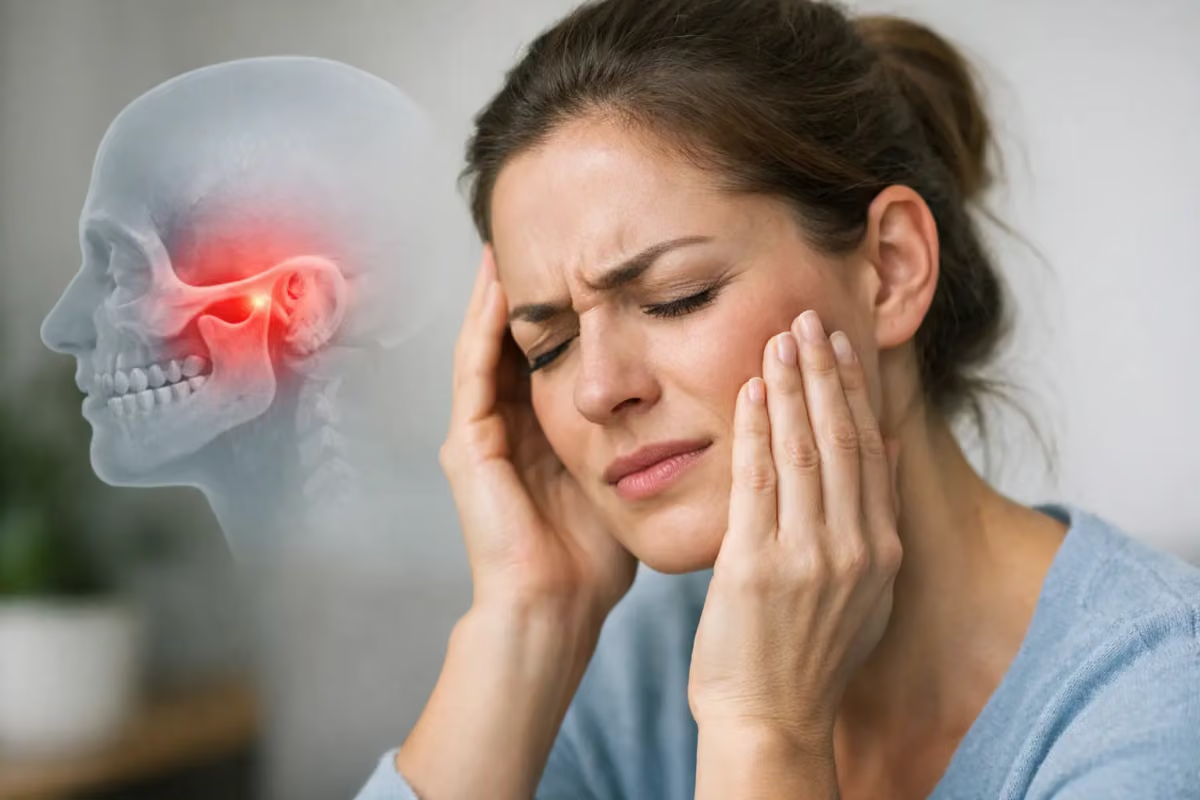
When jaw pain and headaches show up at the same time, the most common reason is that structures in the head and neck are closely connected. The temporomandibular joints, or TMJs, sit just in front of the ears and help you talk, chew, yawn, and swallow. When these joints are irritated, or the muscles around them are overworked, pain can spread into the temples, cheeks, forehead, neck, and even behind the eyes.
At the same time, other conditions can mimic TMJ-related pain or make it worse. Sinus inflammation can create pressure across the face and forehead. Sleep-disordered breathing can increase nighttime clenching and muscle tension. Neck strain can refer pain upward into the head and jaw. Even ear fullness or ringing can be part of the same picture.
That is why a narrow diagnosis can miss the mark. The question is not only where the pain is. It is also what is driving it.
TMJ Disorders are a Leading Cause
A TMJ disorder is one of the more common causes of combined jaw pain and headaches. This can happen when the jaw joint is inflamed or when the muscles and structures supporting jaw movement are under excess strain.
Some people feel a dull ache near the jaw hinge. Others notice popping, clicking, stiffness, or pain when chewing. Headaches often build in the temples because the temporalis muscle, one of the major chewing muscles, is working too hard. In many cases, patients wake up with symptoms because they have been clenching or grinding during sleep.
Not every jaw click means there is a serious joint problem, and not every headache near the temples is from TMJ. But if you also have facial soreness, limited jaw movement, ear pressure, or pain with chewing, TMJ should be considered.
Teeth Grinding and Clenching
Bruxism, or grinding and clenching, puts significant force on the jaw joints and facial muscles. Some people do it during the day when stressed or concentrating. Many do it at night without realizing it.
This repeated pressure can leave the jaw feeling tired or tight by morning. It can also trigger tension-type headaches, temple pain, tooth sensitivity, and neck discomfort. The challenge is that clenching is often a symptom of another issue, not just a habit. Stress plays a role, but poor sleep and airway obstruction can contribute as well.
Sinus Pressure Can Feel Like Jaw Pain
Patients are often surprised to learn that sinus problems can contribute to both headaches and discomfort in the upper jaw or face. The maxillary sinuses sit above the upper teeth and cheeks. When they become inflamed or blocked, pain can radiate into the face and be mistaken for dental or jaw pain.
Sinus-related headaches usually come with pressure, congestion, facial fullness, postnasal drainage, or pain that worsens when bending forward. The discomfort may center around the cheeks, forehead, or between the eyes. Some people describe it as a deep ache rather than a sharp pain.
This is one of the areas where self-diagnosis often goes wrong. A person may think they have a tooth problem, while another assumes every facial headache is sinus-related when the real issue is TMJ. The symptoms can overlap enough that a focused evaluation matters.
Muscle Tension in the Head and Neck
Jaw pain and headaches do not always start in the joint itself. In some cases, the source is muscular. Tight muscles in the jaw, face, neck, and shoulders can create a chain reaction of pain.
This is common in people who work long hours at a computer, hold tension in their shoulders, or sleep in positions that strain the neck. Poor posture can shift how the jaw and neck function together. Over time, that added strain can trigger both headaches and jaw soreness.
Tension-related pain tends to feel achy, tight, or band-like, but it can still be intense. If the muscles that support chewing and head movement stay overactive, the symptoms can become chronic.
Sleep Issues can Make Jaw Pain Worse
Sleep is one of the most overlooked pieces of the puzzle. People who snore, wake up tired, breathe through their mouths at night, or have sleep apnea may place extra strain on the jaw and facial muscles during sleep.
Airway resistance has been associated with nighttime clenching in some patients, and sleep-disordered breathing may contribute to increased jaw muscle activity during sleep. That means the headache you wake up with may not just be from stress. It may be connected to the way you are breathing at night.
Morning headaches, dry mouth, fatigue, poor sleep quality, and jaw soreness together can point toward a sleep-related issue. This is one reason fragmented care can be frustrating. If one provider is looking only at headaches and another only at the jaw, the airway component may be missed.
Other Possible Causes of Jaw Pain and Headaches
TMJ disorders, sinus disease, muscle tension, and sleep-related breathing problems are common, but they are not the only possibilities. Dental infections, arthritis in the jaw joint, nerve-related pain, bite changes, injury, and certain headache disorders can also be involved.
Migraines, for example, may cause facial pain, sensitivity around the jaw, and significant pressure in the head. Some people with chronic migraines also clench because of pain, which blurs the picture even more. Inflammatory conditions can affect the jaw joint itself, especially if there is swelling, warmth, or progressive loss of motion.
The key point is this: recurring jaw pain with headaches should not be dismissed as something you just have to live with. If symptoms are persistent, frequent, or worsening, they deserve a closer look.
Signs You May Need a Specialist Evaluation
Occasional discomfort after chewing something tough is not unusual. Persistent symptoms are different. If you regularly have jaw pain with headaches, it is worth paying attention to the pattern.
Warning signs include pain when opening or closing the mouth, clicking with locking or catching, headaches that start near the temples or on waking, facial pressure that keeps returning, ear fullness without a clear ear infection, neck tension, or disrupted sleep. Pain that interferes with eating, concentration, or sleep is also a strong reason to get evaluated.
When symptoms involve the jaw, sinuses, headaches, ears, and sleep at the same time, a broader view is especially helpful. Conditions in these areas often feed into one another.
How the Right Diagnosis Leads to Better Treatment
The best treatment depends on the cause. That may sound obvious, but it is where many patients lose time. If the problem is TMJ-related muscle overload, treatment may focus on reducing joint strain, easing muscle tension, and addressing clenching triggers. If sinus blockage is driving facial pressure and headaches, the plan will look different. If poor sleep or airway obstruction is contributing, that piece needs to be addressed too.
There is rarely a one-size-fits-all answer. Some patients improve with conservative TMJ therapy and changes in sleep habits. Others need targeted sinus treatment or a more complete evaluation of breathing, muscle patterns, and jaw function. The goal is not to chase symptoms from one area to another. It is to find what is connecting them.
At Exhale Sinus, TMJ, Headache & Sleep Specialists, that integrated view is central to care. For patients who have been told different things by different providers, that kind of focused evaluation can be the turning point.
What Repeated Flare-Ups May Be Telling You
Repeated flare-ups usually mean an underlying trigger has not been fully addressed. That trigger may be nighttime clenching, chronic sinus inflammation, an untreated TMJ disorder, poor-quality sleep, or a combination of factors. It can also shift over time. A person may start with muscle tension and later develop joint irritation, or ongoing congestion may worsen sleep and lead to more morning clenching.
That is why recurring pain should not be treated as random. Patterns matter. When the pain happens, where it starts, what else comes with it, and whether it is worse in the morning or after eating can all help identify the source.
If your jaw hurts, your head aches, and you are tired of getting partial answers, trust that your symptoms are worth a thorough evaluation. Lasting relief usually starts when someone connects the dots you have been feeling all along.
Disclaimer: The content provided in this article is for informational purposes only and is not intended to diagnose, treat, cure, or prevent any medical condition. Treatment decisions should be made in consultation with a licensed healthcare provider who can evaluate your individual circumstances.