

.svg)

.svg)
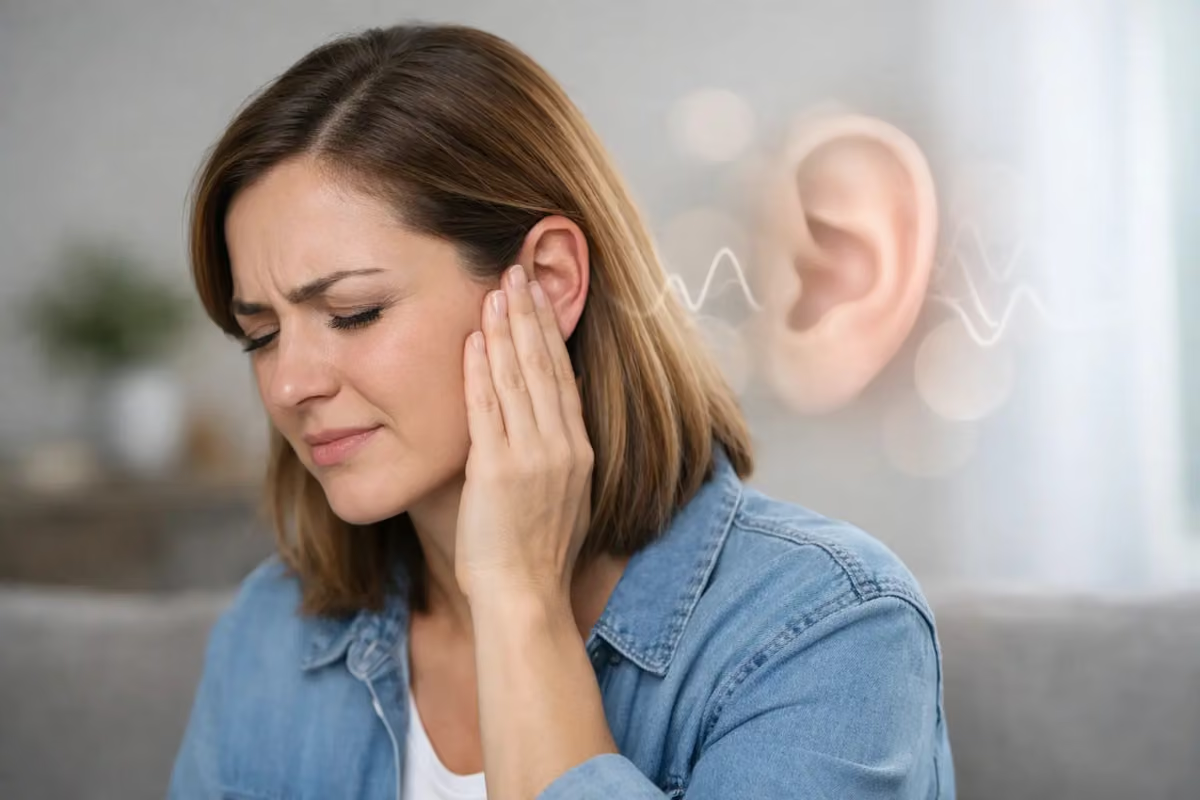
Why Do My Ears Feel Full All the Time?
That plugged, pressurized sensation in your ear can be surprisingly disruptive. If you keep wondering, why do my ears feel full, the answer is not always earwax or an ear infection. Ear fullness can start in the ears, but it can also be tied to sinus inflammation, jaw tension, pressure changes, allergies, or problems with the small passageways that help your ears equalize pressure.
For many adults, the feeling comes and goes at first. Then it starts showing up during work calls, after a cold, while driving, or when lying down at night. If it keeps happening, it is worth paying attention. Ear fullness is a symptom with several possible causes, and the right treatment depends on what is actually triggering it.
Why Do My Ears Feel Full?
Your ears are connected to your nose and upper throat by narrow tubes called the Eustachian tubes. These tubes help balance pressure and drain fluid from the middle ear. When they are not working well, your ear can feel blocked, muffled, or heavy, almost like you need to pop it but cannot.
That is one of the most common reasons for ear fullness, but it is far from the only one. In specialty care, we often see patients whose symptoms are being driven by more than one issue at the same time. Sinus inflammation may be adding pressure. TMJ dysfunction may be creating a sense of ear pain or fullness. Clenching at night, nasal congestion, headaches, and poor sleep can all overlap.
This is where a lot of people get stuck. They treat the ear sensation itself, but the real source may be nearby.
Common Causes of Ear Fullness
1. Eustachian tube dysfunction
This is one of the leading causes of persistent ear pressure. The Eustachian tubes can become swollen or blocked after a cold, during allergy season, with sinus inflammation, or after air travel. When that happens, pressure gets trapped behind the eardrum.
You may notice muffled hearing, crackling, popping, discomfort with elevation changes, or a feeling that one or both ears will not clear. Some people also describe a vague off-balance sensation.
Sometimes this resolves on its own after an illness. Sometimes it does not, especially when chronic sinus or nasal issues are part of the picture.
2. Sinus congestion and inflammation
Your sinuses and ears do not function separately. When the nose and sinus passages are inflamed, the area around the Eustachian tube opening can also become irritated or swollen. That can make your ears feel congested even if the ears themselves are not infected.
This is common in people with chronic sinus pressure, recurring infections, seasonal allergies, or ongoing nasal obstruction. If your ear fullness tends to flare with facial pressure, postnasal drainage, headaches, or trouble breathing through your nose, sinus disease may be contributing.
3. TMJ disorder and jaw tension
This is a cause many patients do not expect. The temporomandibular joint sits very close to the ear, and dysfunction in that joint can create symptoms that feel like they are coming from the ear. That includes fullness, pressure, aching, clicking, and even ringing.
If your ear feels full along with jaw pain, facial tension, morning headaches, teeth grinding, or soreness when chewing, TMJ should be considered. This is especially true when ear exams have been called normal, but the symptoms keep returning.
4. Earwax buildup
Earwax can absolutely create a blocked sensation, but it is usually a more straightforward cause. Fullness from wax often comes with muffled hearing and may affect one ear more than the other.
The key is not to assume wax is the problem every time. Many people use cotton swabs or home remedies, only to make irritation worse or push wax deeper.
5. Fluid in the middle ear
After an upper respiratory infection or severe allergies, fluid can remain behind the eardrum. This can lead to pressure, reduced hearing, and a feeling of heaviness.
Adults sometimes expect fluid in the ear to be a childhood problem, but it can happen at any age. If it lingers, there is usually a reason the ear is not draining properly.
6. Sudden pressure changes
Flying, diving, elevators, and even mountain driving can trigger temporary fullness. In many cases, the sensation improves once pressure equalizes. If it does not, it may point to an underlying Eustachian tube problem that was already there.
7. Less common but important causes
Not every case is sinus- or pressure-related. Inner ear disorders, hearing loss, infections, and rare structural problems can also cause fullness. If symptoms are severe, one-sided, or associated with major hearing changes, dizziness, or pain, a prompt evaluation matters.
When Ear Fullness is Not Just an Ear Problem
This is often the turning point for patients who have been frustrated for months. They may have tried decongestants, allergy medicine, chewing gum, yawning, or waiting it out. The symptom keeps coming back because the root cause has not been identified.
An adult with ear fullness may actually have a combined picture: chronic nasal blockage leading to poor pressure regulation, nighttime clenching that aggravates the TMJ, and headaches that make the whole area feel worse. Treating only one part may provide temporary relief, but not lasting improvement.
That is why a broader head, neck, sinus, jaw, and airway evaluation can be so helpful. The goal is not just to label the symptom. It is to find out what is sustaining it.
Signs You Should Get Checked
Ear fullness that lasts more than a few days after a cold is worth watching. Ear fullness that keeps recurring, affects hearing, or comes with other symptoms deserves more attention.
A specialist evaluation is especially important if you have any of the following: one-sided symptoms, noticeable hearing loss, ringing in the ear, dizziness, significant ear pain, chronic sinus pressure, jaw pain, frequent headaches, or symptoms that disrupt sleep and concentration. These details help narrow down whether the issue is primarily ear-related, sinus-driven, TMJ-related, or a combination.
If you have already been told your ear looks normal, but it still feels blocked, that does not mean the symptom is imagined or minor. It means the next step should be a more targeted search for the source.
What Diagnosis May Involve
The right workup depends on your symptoms, but it usually starts with a detailed history and exam. The timing matters. So does whether symptoms affect one ear or both, whether they follow an illness, and whether they worsen with chewing, congestion, flying, or lying down.
Depending on the pattern, evaluation may include looking at the nasal passages and throat, assessing the ears and eardrums, reviewing sinus symptoms, and checking for TMJ tenderness or jaw dysfunction. Hearing testing may also be appropriate when muffled hearing, ringing, or imbalance is part of the picture.
This kind of focused evaluation often gives patients something they have not had yet: a clear explanation that connects the symptoms instead of treating each one in isolation.
Treatment Depends on the Cause
There is no single fix for ear fullness because the best treatment depends on what is driving it. If Eustachian tube dysfunction is related to sinus inflammation or allergies, treatment may focus on reducing swelling and improving drainage. If chronic sinus disease is part of the problem, addressing that condition can relieve the pressure cycle affecting the ears. In some cases, minimally invasive sinus treatment becomes part of the long-term solution.
If TMJ dysfunction is creating ear symptoms, the plan may center on reducing strain in the jaw joint and surrounding muscles. That can mean custom treatment strategies aimed at clenching, bite imbalance, muscle tension, or joint irritation rather than repeated ear-focused care that does not resolve the issue.
If wax, fluid, or infection is present, treatment is more direct. But even then, the question remains the same: why did it develop, and what will keep it from coming back?
At Exhale Sinus, TMJ, Headache & Sleep Specialists, the root-cause approach matters because ear symptoms are often connected to neighboring systems, not just the ear alone.
Why Recurring Ear Fullness Should Not Be Ignored
It is easy to dismiss ear fullness because it may not seem like a serious problem. However, when it becomes frequent or persistent, it can affect hearing, concentration, sleep, work performance, and overall quality of life. It may also signal an underlying issue such as chronic sinus disease, TMJ dysfunction, or another condition that has gone untreated.
The good news is that ear fullness is often highly treatable once the underlying cause is identified. The challenge is determining what is actually driving the symptom. If you have been asking, Why do my ears feel full? and the sensation keeps returning, the most useful next step is not another temporary fix. It is a thorough evaluation that looks at the full picture and helps guide you toward lasting relief.
Disclaimer: The content provided in this article is for informational purposes only and is not intended to diagnose, treat, cure, or prevent any medical condition. Treatment decisions should be made in consultation with a licensed healthcare provider who can evaluate your individual circumstances.